
“Quick efficient service, debated collecting it myself but they clearly have a very good system set up for delivery and I’d highly recommend it. Excellent service from Ashley, very accommodating when I asked for the bags to be placed in a certain area. Will definitely use Longwater Gravel again. Thank you!”
How Deep Should Your Gravel Be?
The right depth depends on what the surface has to do. Too shallow and gravel shifts or shows the membrane within weeks. Too deep and it becomes difficult to walk on comfortably or push a wheelbarrow across.
Depth depends on how the surface is used.
- ~12 m² per tonne at 50mm depth
- ~20 m² per tonne at 30mm depth
- 10 m² per bulk bag at 50mm
- 1 tonne covers a typical small driveway bay
Plan It With Our Tools
Four tools to help you work out what you need before you order.
-
Gravel Calculator
Work out exactly how much material you need for your project area and depth.
-
Bulk Bag vs Loose Load
Not sure which delivery format is right? Read our handy guide.
-
Speak to an Expert
Get personalised advice from our team on product selection and quantities.
-
Delivery & Vehicles
Delivery zones, lead times and how materials are delivered to site.
Not Sure Which Gravel Is Right For You?
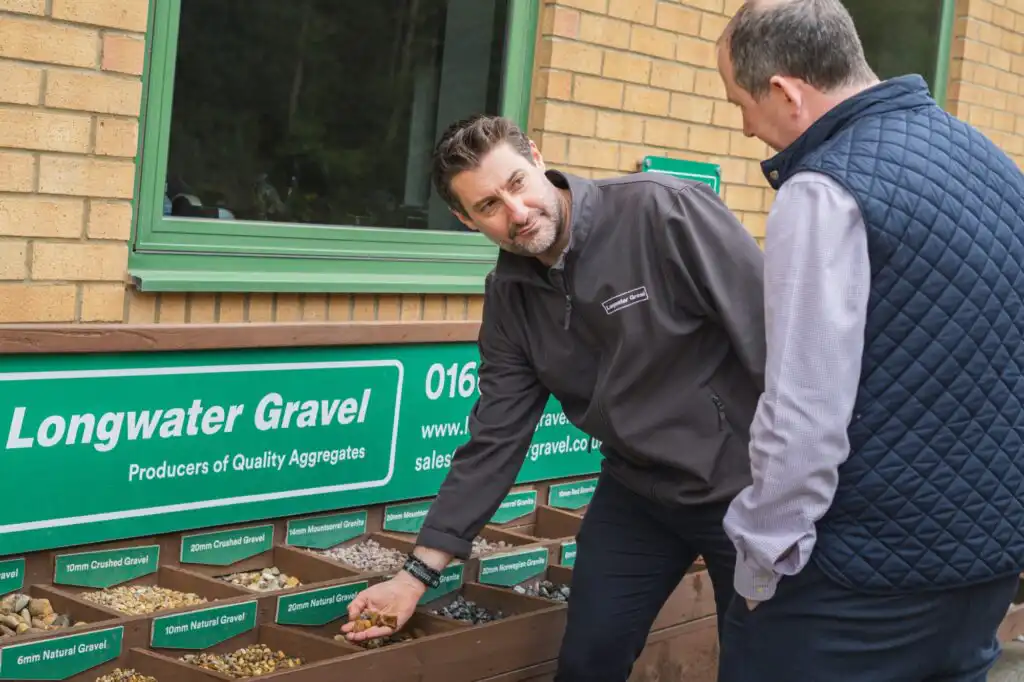
Speak to our team and we'll help you find the right finish for your project.
From decorative pebbles to angular chippings for driveways, our team can talk you through colour, shape and finish, so you know exactly what to expect once it is down.
Common Questions
Do I need planning permission for a gravel driveway?
Generally no. Gravel is a permeable surface and is exempt from the rules that apply to impermeable driveways. However, crossing a public footpath to access a new driveway does require a Dropped Kerb Licence from your local council.
What's the difference between a bulk bag and a loose load?
A bulk bag (around 800–850kg) is craned off our lorry and placed where you need it, so it suits smaller jobs and sites with limited space or access. A loose load is tipped straight from the lorry in tonnes, which works out better value for larger jobs like driveways and groundwork, but needs space where it’s tipped.
Can I use 10mm gravel for a driveway?
You can, but 14–20mm is better. Smaller stones move more under tyres and get carried into the house on shoes. If you’d like the look of 10mm, lay it over a well-compacted sub-base or a gravel grid to hold it in place.
How do I stop gravel spreading onto my lawn?
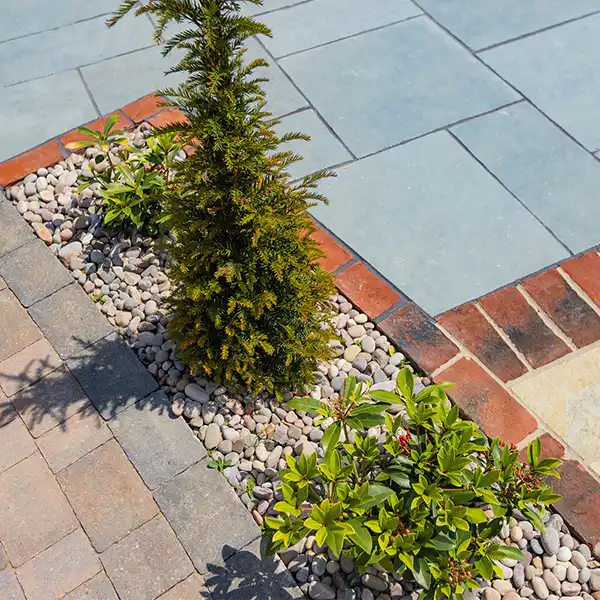
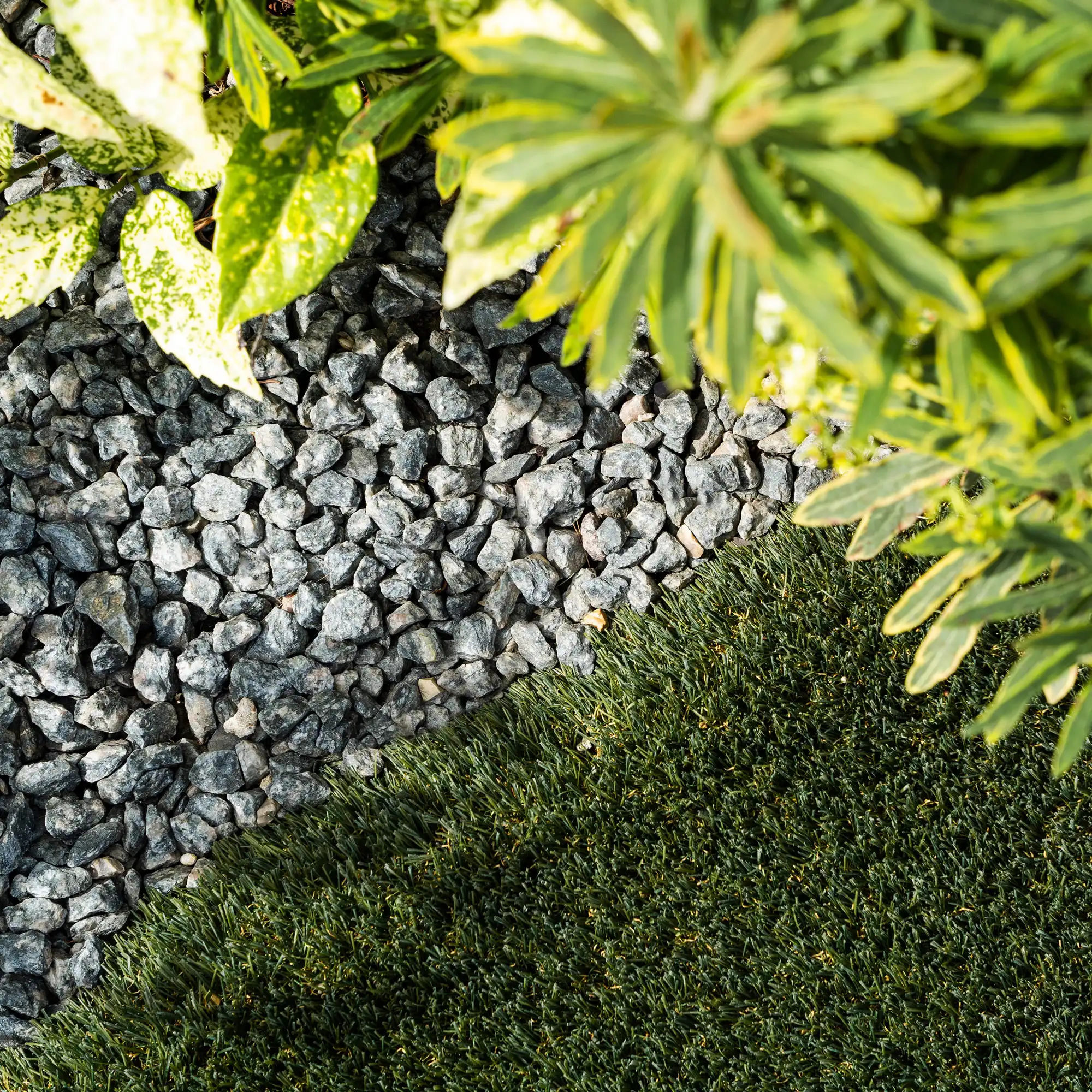
Put an edging between the gravel and the lawn: timber, metal or a row of setts, set slightly higher than the gravel. Angular gravel moves less than rounded pebbles, and keeping the depth to the recommended amount stops it washing over the edge.
How long before I need to top up gravel?
Most gravel areas need a light top-up every two to three years, sooner on busy driveways where tyres push it to the sides. Raking it level now and then makes it last longer.
Is a sub-base always necessary?
For driveways, patios and anything that takes weight, yes: a compacted MOT Type 1 sub-base stops the gravel sinking and rutting. For decorative borders and beds on firm, level ground, a weed membrane is usually enough.
What Our Customers Say
Powered by Google
Need Help Choosing The Right Gravel?
Tell us your driveway size and how it'll be used, and we'll recommend the right material, grade and quantity.
